What Does a Physical Therapist Assistant Do?
03/19/2026
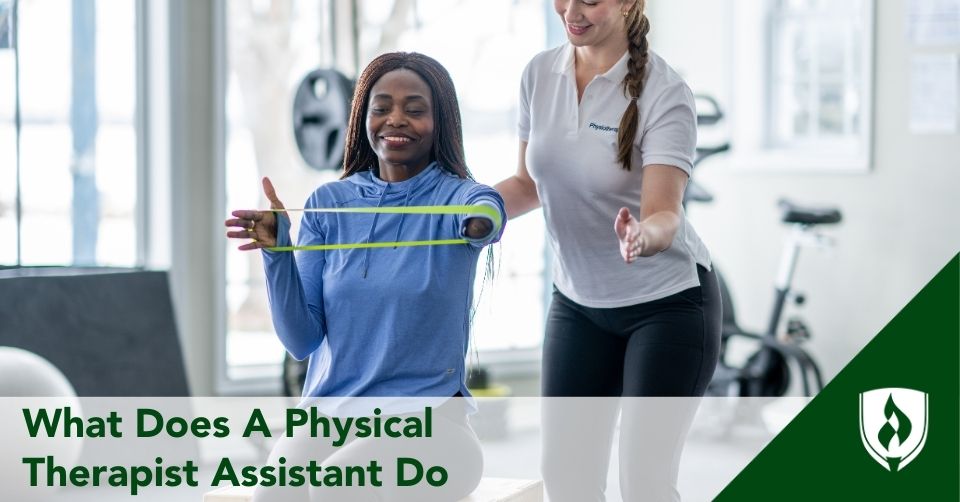
If you’re exploring options in healthcare, you might be interested in the field of physical therapy and the role of a physical therapist assistant. Physical therapy assistants (PTAs) are part of the care team that helps patients follow treatment plans designed by licensed physical therapists.¹
Understanding what a PTA does can give you insight into the education, skills, and work settings involved, as well as how these professionals interact with patients, therapists, and other members of a healthcare team.
Roles and Responsibilities of Physical Therapist Assistants
Physical therapist assistants (PTAs) work under the guidance and supervision of licensed physical therapists to support patients in regaining movement, managing pain, and improving overall function. PTAs are often involved in the direct care of patients and may contribute to many aspects of a physical therapy plan.¹
Typical responsibilities for a physical therapist assistant may include:¹
- Observing and documenting patient progress before, during, and after therapy sessions, then communicating updates to the physical therapist
- Assisting patients with specific therapeutic exercises outlined in their treatment plans
- Administering techniques such as massage, stretching, or balance and gait training
- Using therapeutic devices and equipment, like walkers or resistance bands, to facilitate movement and rehabilitation
- Educating patients and their family members on exercises, precautions, and strategies to continue therapy outside of clinical sessions
In collaboration with the care team, PTAs may implement treatment plans designed by physical therapists, monitor patient progress, and help adjust care approaches when needed.
Common Skills for Physical Therapist Assistants
Physical therapist assistants may benefit from a combination of technical and interpersonal skills, including:²
- Compassion and empathy to help patients manage pain and engage in their treatment plans
- Detail orientation for maintaining accurate records and following written or verbal instructions
- Manual dexterity for performing therapeutic exercises and using hands-on techniques
- Interpersonal communication to interact with patients, family members, and other healthcare professionals
- Physical stamina for standing, kneeling, bending, and assisting patients throughout the day
These skills often support PTAs in helping patients work toward mobility and functional goals identified in their treatment plans.²
Typical Work Settings for Physical Therapist Assistants
Physical therapist assistants may work in a variety of settings depending on the patients they serve and the focus of the practice. According to the Bureau of Labor Statistics, in 2024, the largest employers of physical therapist assistants were:³
- Offices of physical, occupational, and speech therapists, and audiologists (45%)
- Hospitals; state, local, and private (20%)
- Home healthcare services (12%)
- Nursing care facilities (skilled nursing facilities) (10%)
- Offices of physicians (5%)
The practice setting may influence the types of patients treated, the treatment plans implemented, and the daily responsibilities of physical therapist assistants.
How To Become a Physical Therapist Assistant
Becoming a PTA generally involves completing an accredited physical therapist assistant program, which typically takes about two years or five semesters. These programs may provide foundational knowledge in subjects like anatomy, physiology, exercise physiology, biomechanics, kinesiology, neuroscience, clinical pathology, cell biology, behavioral sciences, medical terminology, and ethics.⁴
PTA students typically spend approximately 75% of their time in classroom and lab study and 25% in clinical education, averaging 16 weeks of full-time hands-on experience. During this time, students practice implementing treatment plans, performing therapeutic exercises, collecting patient data, and assisting in direct patient care under the supervision of a licensed physical therapist.⁴
Licensing and Certification for Physical Therapist Assistants
All states require physical therapist assistants to obtain licensure or certification. This involves graduating from a Commission on Accreditation in Physical Therapy Education® (CAPTE®)-accredited physical therapist assistant program and passing a national physical therapy examination.²
Some states may also require passing a state-specific law exam, undergoing a criminal background check, or meeting age requirements. Maintaining licensure may involve completing continuing education courses to stay current with physical therapy practices, therapeutic interventions, and patient care standards.²
Physical Therapist Assistant Job Outlook
According to the Bureau of Labor Statistics, employment of physical therapist assistants is projected to grow 16% from 2024 to 2034.⁵
Physical therapy services are provided in a variety of healthcare settings nationwide.⁵
Understanding the Role of a Physical Therapist Assistant
Physical therapist assistants support licensed physical therapists in delivering physical therapy services to patients with a range of health conditions, from acute injuries to chronic conditions. They implement treatment plans, help patients perform therapeutic exercises, manage pain, and track patient progress, all under the guidance of a physical therapist.¹
Physical therapist assistants may work in diverse practice settings, including hospitals, outpatient clinics, home health, and skilled nursing facilities, and may collaborate with care teams, family members, and other healthcare professionals.³
For those exploring physical therapy education or considering enrollment in a CAPTE®-accredited physical therapist assistant program, understanding the responsibilities, skills, licensure requirements, and work environments can provide a clear picture of the role PTAs play in supporting patient care.²
Commission on Accreditation in Physical Therapy Education® is a registered trademark of American Physical Therapy Association 3030 Potomac Ave., Suite 100, Alexandria, Virginia, United States, 22305.
CAPTE® is a registered trademark of American Physical Therapy Association 3030 Potomac Ave., Suite 100, Alexandria, Virginia, United States, 22305.
¹Bureau of Labor Statistics, U.S. Department of Labor, Occupational Outlook Handbook, Physical Therapist Assistants and Aides, at https://www.bls.gov/ooh/healthcare/physical-therapist-assistants-and-aides.htm#tab-2 (accessed Feb. 24, 2026). Employment conditions in your area may vary.
²Bureau of Labor Statistics, U.S. Department of Labor, Occupational Outlook Handbook, Physical Therapist Assistants and Aides, at https://www.bls.gov/ooh/healthcare/physical-therapist-assistants-and-aides.htm#tab-4 (accessed Feb. 24, 2026). Employment conditions in your area may vary.
³Bureau of Labor Statistics, U.S. Department of Labor, Occupational Outlook Handbook, Physical Therapist Assistants and Aides, at https://www.bls.gov/ooh/healthcare/physical-therapist-assistants-and-aides.htm#tab-3 (accessed Feb. 24, 2026). Employment conditions in your area may vary.
⁴The American Physical Therapy Association, Becoming a Physical Therapist Assistant, at https://www.apta.org/your-career/careers-in-physical-therapy/becoming-a-pta (accessed Feb. 24, 2026).
⁵Bureau of Labor Statistics, U.S. Department of Labor, Occupational Outlook Handbook, Physical Therapist Assistants and Aides, at https://www.bls.gov/ooh/healthcare/physical-therapist-assistants-and-aides.htm#tab-6 (accessed Feb. 24, 2026). Employment conditions in your area may vary.