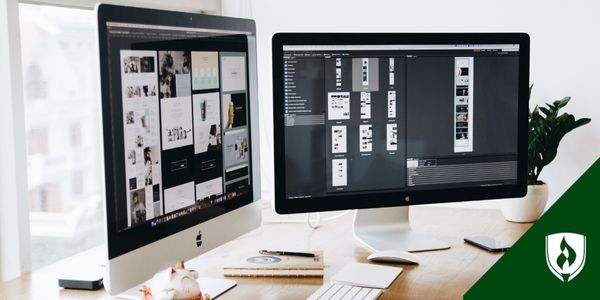
If you've ever scrolled through a website, passed a billboard, opened an app, or admired the packaging of a product you love, you've experienced the work of graphic designers, often without even realizing it.
Graphic design shapes almost everything we see in the digital and physical world, which raises a common question for anyone considering this path: Is graphic design a promising career?
It's a fair question, especially if you're someone who enjoys visual communication, creative thinking, and solving problems in artistic ways.
Maybe you've been told you're a naturally creative thinker, or perhaps you're fascinated by how visuals influence people's decisions. Whatever brought you here, exploring the ins and outs of a graphic design career will help you figure out if this field aligns with your goals, personality and strengths.
Whether you hope to become a graphic designer, join a design team or work as one of many freelance designers, read on and make an informed decision about your future.
What do graphic designers actually do?
Before deciding whether graphic design is a promising career, it helps to understand what graphic designers work on every day. While tasks vary depending on the role, industry, and project, most graphic designers create art and visual concepts that communicate specific messages.
These visuals may appear in print, digital media, advertising, branding or packaging.
Graphic designers typically:
- Use graphic design software like Adobe Illustrator and Photoshop
- Turn ideas into logos, layouts, illustrations and digital graphics
- Design page layouts for magazines, websites or marketing materials
- Select design elements such as color, typography and imagery
- Work with other designers, writers, marketers, and clients
- Apply design principles to produce clear, appealing visuals
- Manage multiple projects with varying client specifications
- Develop creative solutions under tight deadlines
Some graphic designers specialize in areas like web design, product packaging, motion graphics, social media visuals or digital illustration. Many also collaborate with art directors, UX designers, UI designers, publication designers and digital designers. Others work closely with marketing and public relations teams to maintain a brand's look and voice.
Types of careers for design majors
The graphic design industry is broad and full of opportunities. A career in graphic design can take you in several directions based on your interests.
Graphic designer
This traditional role focuses on branding, print materials, digital assets, and overall visual communication. Most positions require a degree in graphic design or a related field of study.
Web designer
Web designers specialize in the visual layout and user interface of websites. They collaborate with web developers and work heavily in digital environments.
UI and UX designers
These roles combine design with user psychology and interaction patterns. UX designers focus on the user experience and UI designers focus on visual layouts.
Digital designer or motion designer
These creative designers produce animations, GIFs and multimedia content used in videos, apps and digital campaigns.
Creative director
An experienced designer may eventually lead a team of creative professionals, managing the overall vision for projects.
Freelance designer
A freelance graphic designer works independently with multiple clients. It's ideal for those who value flexibility and autonomy.
Publication designer
These designers work in the publishing industry, creating book layouts, magazines, newsletters and digital publications.
Because the field is so diverse and businesses are focused on building a strong digital presence, graphic designers often branch into web development, marketing, advertising or other related jobs that value visual communication skills.
Is graphic design a good career? Some pros
Many people consider graphic design a promising career because it offers creativity, flexibility and a wide range of opportunities. Let's break down some of the most significant advantages.
Creativity every day
If you enjoy brainstorming ideas, experimenting with design software and bringing concepts to life through visuals, you'll thrive. Graphic designers have the opportunity to explore color, imagery, typography and layout daily.
Variety of job opportunities
The demand for specialized design services continues to grow, especially in digital design and branding. You can work in:
- Advertising
- Marketing
- Web Design
- Social Media
- Tech companies
- Nonprofits
- Corporate communications
- Publishing
- E-commerce
And because many graphic designers work independently, freelancing is always an option.
A rewarding career with purpose
Designers play a crucial role in shaping brands, influencing public perception and resolving communication challenges. You can impact how people think, feel, and respond to information.
Flexibility
Many graphic design jobs offer remote work, flexible schedules, and the option to choose projects, particularly when freelancing.
Opportunities for growth
Designers can transition into roles such as creative director, art director, or digital strategist. They can also transition into roles involving web development, software development, or project management.
Is graphic design a good career? Some cons
While graphic design is a promising career for many, it's not without its challenges. Understanding these helps ensure you enter the field with realistic expectations.
Deadlines and fast turnaround
Many designers juggle multiple projects at once. Clients may request revisions or have tight timelines, which can create pressure.
Competitive field
Because many graphic designers are attracted to the field, standing out requires an impressive portfolio, ongoing learning, and real-world experience.
Technology changes constantly
You'll need to stay updated with new computer software, trends, and visual styles. This is exciting for some but overwhelming for others.
Critiques and client revisions
Designs often go through multiple rounds of feedback. Designers must accept critiques positively and adjust their work accordingly.
Income can vary
Freelancers experience fluctuations in their workload, depending on their client load. Income can fluctuate, especially in the early stages of one's career.
Skills you need for a successful graphic design career
To determine whether graphic design is a promising career for you, it's essential to consider the skills needed to thrive.
Technical skills
Graphic designers rely heavily on design software and digital tools. Most graphic designers should be proficient in:
- Adobe Illustrator
- Photoshop
- InDesign
- Illustration tools
- Page layout programs
- UI/UX tools (Figma, Sketch, Adobe XD)
Having the ability to create web-ready assets or collaborate on web design projects also helps.
Principles and elements
A graphic designer must understand composition, color theory, typography and visual elements to create effective designs. These principles help translate ideas into powerful visuals.
Creative Thinking
Creativity is the backbone of every design. Designers must brainstorm ideas, solve problems visually and innovate within client specifications.
Analytical Skills
Design isn't just about making things look good; it's about strategy, execution and overall effectiveness. Designers analyze trends, user behavior and visual effectiveness to inform their design decisions.
Soft skills
Working with other designers, clients, and teams requires strong communication, time management and collaboration abilities.
Project management skills
Because graphic designers handle multiple assignments simultaneously, staying organized is essential.
Do you need a degree to be a graphic designer?
While some designers learn independently, employers often prefer applicants with formal education. A degree in graphic design or a related field provides structured learning in:
- Design concepts
- Graphic design training
- Typography
- Digital illustration
- User interface design
- Motion graphics
- Portfolio development
A bachelor's degree is the most common and widely recognized educational pathway for individuals seeking to pursue a career in graphic design or advance to a higher-level role within the design field. Some individuals enter the industry through certificates or self-study, but a bachelor's degree provides a more comprehensive foundation, broader career options and stronger long-term growth potential.
A bachelor's degree provides aspiring designers with the foundation necessary to enter professional roles. Some designers come from backgrounds in computer science, marketing, or art, and gain skills through technical training, internships or certifications.
While requirements vary, most hiring qualifications include a bachelor's degree in graphic design or a related field, along with a polished portfolio. Regardless of your path, real-world experience and a strong portfolio matter more than anything else.
Where graphic designers work
Designers work in nearly every industry, including:
- Advertising agencies
- Tech companies
- Corporate offices
- Marketing firms
- Media publications
- Design studios
- In-house brand teams
- Freelance marketplaces
- The publishing industry
- Public relations departments
Some graphic designers are independent, while others collaborate closely with other graphic designers, marketers or developers. Job settings may include fast-paced agencies, relaxed creative studios or fully remote environments. Graphic designers also shape how consumers experience a brand through product packaging, ensuring the visual elements reflect the company's identity.
Freelance vs. in-house: Which path is better?
Deciding to work as a designer or part of a larger team depends on your personality and goals.
Freelance graphic designers
Pros:
- Control your schedule
- Choose your clients
- Creative freedom
- Potential to earn a high income
Cons:
- Must handle your own marketing, taxes and contracts
- Irregular income
- Requires discipline and strong project management skills
In-house or agency designers
Pros:
- Steady paycheck
- Access to training and mentorship
- Collaboration with other designers
- Clear job structure
Cons:
- Less flexibility
- Must adhere to brand rules
- Multiple rounds of approvals may slow creativity
Both paths are valid, and many designers explore both throughout their careers.
Is graphic design a good career for you?
If you're still wondering whether graphic design is a promising career, ask yourself:
- Do you enjoy creative problem-solving?
- Are you comfortable using digital tools and learning new software?
- Can you handle feedback and revisions?
- Do you work well under deadlines?
- Are you willing to build a powerful portfolio?
- Do you enjoy collaborating with other designers or clients?
If the answer is yes, you may thrive in this field.
Is graphic design a good career choice? For many people, it truly is. The fields blend creativity with technology, offering a wide range of graphic design tools and allowing you to shape how the world sees and understands information.
Whether you want to design logos, develop user interfaces, or contribute to large-scale visual campaigns, the work can be meaningful, flexible, and full of opportunities to grow. Like any career, it comes with challenges, tight deadlines, evolving software, and the need to build your skills continually. But for those who enjoy problem-solving and visual communication, the rewards often outweigh the hurdles.
A career in graphic design is ultimately what you make of it. If you're curious, willing to experiment, and committed to honing your craft, you'll find a field full of possibilities. This is a profession where imagination carries real value and your ability to communicate visually can open doors you may not have expected.
If you enjoyed reading this blog, check out more like How Graphic Design is Used in Business and Marketing to learn more about this career path!